
There’s a particular kind of heartbreak that only coastal homeowners know. You spend a weekend making your deck look gorgeous. Six months later, the sun, salt and sea breeze have turned it into something that looks like driftwood with a bad attitude.
I’ve seen it more times than I can count. The good news? It’s not bad luck. It’s usually the wrong product, bad prep, or poor timing. Get those three right and a coastal deck can look great for years.
So let’s talk about how to paint or stain a deck on the coast the right way. I’ll keep it simple, and I’ll tell you where people go wrong (so you don’t have to learn the hard way).
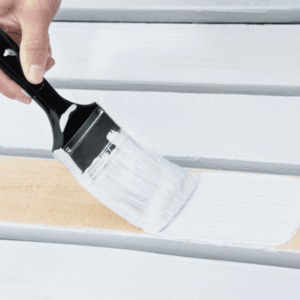
Why Coastal Decks Get Such a Hard Time
A deck inland has it easy. A deck near the water is in a constant fight.
Here’s what it’s up against:
- Salt. It settles on the timber, attracts moisture and breaks down coatings from underneath.
- UV. Australian sun is brutal. It dries timber out, fades colour and makes boards crack.
- Humidity and damp air. Moisture gets into the grain and pushes coatings off.
- Wind-blown sand. It acts like sandpaper on every foot-traffic zone.
- Sudden weather swings. Hot days, storms, salty mist. Timber swells and shrinks the whole time.
When you understand this, the rest makes sense. A coastal finish has to flex, shed water and survive salt. Not every product can do that.
Should You Paint or Stain a Deck on the Coast?
This is the big question, and honestly, both work. They just suit different decks and different people.
Think of stain as a good sunscreen that lets your skin breathe. Paint is more like a full wetsuit. It covers everything, and it works great, but when it fails, it fails loudly.
| Deck Stain / Oil | Deck Paint | |
| Look | Shows the timber grain | Solid colour, hides the grain |
| How it ages | Fades slowly and evenly | Can peel, bubble or flake |
| Maintenance | Light clean and recoat | Needs scraping and sanding before repainting |
| Hides old damage? | Not really | Yes, to a degree |
| Salt and moisture | Soaks in, lets timber breathe | Forms a film that can trap moisture |
| Typical recoat (coastal) | Every 1 to 2 years | Every 3 to 5 years if prepped well |
| Best for | Newer or good-condition timber | Tired, patchy, older decks |
When I’d Choose Stain
If your deck is in good shape and you like the natural look, go with stain. It’s more forgiving by the sea. When it wears, it just fades. No peeling, no scraping, no sad weekend with a heat gun.
It’s also the better pick for hardwoods like spotted gum, merbau or blackbutt. Those timbers have natural oils and look stunning when they’re fed regularly.
When I’d Choose Paint
If the boards are old, stained, or patchy, paint gives you a fresh start. It’s also great if you want a bold look, like crisp white or deep charcoal.
Just know the deal: paint is a film. If water gets under it, the film lifts. That’s why prep matters so much more with paint.
What About the Best Stain for Coastal Decks?
Look for a penetrating oil-based stain made for exterior decks, with UV protection and mould and mildew resistance. Water-based options have improved a lot and are easier to clean up, but in harsh, salty spots many painters still lean towards oil-based for deeper protection.
Check the can for words like exterior, decking, UV and mildew. If it doesn’t say them, put it back.
What You’ll Need Before You Start
Nothing fancy. Here’s the shopping list:
- Deck cleaner (oxygen-based is gentle and works well)
- Stiff broom and a hard brush
- Garden hose (and a pressure washer on low, if you have one)
- Orbital sander or sanding block (80 to 120 grit)
- Exterior wood filler
- Painter’s tape and drop sheets
- Quality brush, pad applicator or roller
- Your stain or paint, plus primer if you’re painting
- Gloves, mask and eye protection
Step-by-Step: How to Prep a Coastal Deck
I’ll say this once and I’ll mean it: prep is 80% of the job. The best product in the world won’t stick to dirty, salty, damp timber.
1. Check the Deck First
Walk the whole deck. Look for loose boards, popped nails, rot and wobbly railings. Pull out rusty fasteners and replace them with stainless steel or hot-dip galvanised ones. Salt air eats cheap screws for breakfast.
If you press a screwdriver into a board and it sinks in easily, that board’s rotten. Replace it. No coating will fix that.
2. Clean Off the Salt and Grime
Sweep first. Then scrub the deck with a deck cleaner and a hard brush, working along the grain. Give the cleaner time to work, then rinse it off really well.
On the coast, rinsing is the part people skip. Salt hides in the grain. Rinse twice if you can.
A quick tip on pressure washers: keep the pressure low and stay a good distance away. Blast too hard and you’ll fuzz up the timber and carve lines into the boards. It looks like a bad haircut, and it’s just as permanent.
3. Let It Dry Properly
This is where patience pays. Wait at least 2 to 3 days of dry weather after cleaning. On humid coastal days, give it longer. Coating damp timber is the number one reason finishes fail early.
Here’s a simple test: sprinkle a little water on a board. If it soaks in quickly, the timber’s ready. If it beads up, it’s still too oily or damp. Wait, or clean again.
4. Sand and Fill
Sand the boards lightly to open the grain and smooth rough spots. Fill holes and gaps with wood filler, then sand those back flush. Vacuum or sweep off all the dust.
If you’re painting over an old coating, scrape off anything loose. Feather the edges so you don’t see ridges through the new paint.
5. Tape Up and Protect
Tape off walls, posts and anything you don’t want coloured. Cover plants and door tracks. Salt-fighting is hard enough without also fighting stray drips.
When Is the Best Time to Paint or Stain a Deck on the Coast?
Timing matters more than most people think.
For most of coastal Australia, spring and autumn are the sweet spots. Spring is right now, actually, so if you’ve been eyeing that tired deck, this is a good window.
Aim for:
- Temperatures between about 15°C and 30°C
- Low humidity and a dry forecast for at least 24 to 48 hours
- No direct, scorching midday sun. Work in the shade or early in the day
- Not on windy days. Wind blows salt and dust into wet coatings
Summer heat makes coatings dry too fast and leaves lap marks. Winter damp stops them curing. Skip both if you can.
Step-by-Step: How to Apply the Finish
If You’re Staining
- Stir the stain well. Don’t shake it. Shaking makes bubbles.
- Test a small hidden patch. Colour looks different on every timber.
- Start with the railings, then the boards, so drips don’t land on finished work.
- Work in small sections of 2 to 3 boards at a time, along the full length of each board.
- Wipe off any excess after a few minutes. Puddles turn tacky and never dry properly.
- Apply a second coat if the product asks for one, following the recoat time on the can.
The real secret is keeping a “wet edge”. Work from one end of a board to the other without stopping, or you’ll get lap marks.
If You’re Painting
- Prime bare timber with an exterior primer suited to decks.
- Cut in the edges with a brush first.
- Roll or brush the boards in thin, even coats. Thin is the key word.
- Let each coat dry fully. Humid coastal air slows this down.
- Apply two coats minimum. Three on high-exposure areas like the steps.
- Use an anti-slip additive in the final coat. Wet, sandy feet on a painted deck can be like a skating rink.
Colour Ideas That Suit the Coast
Colour trends are leaning natural right now. Think warm oak tones, soft driftwood greys, deep charcoal and earthy browns. Lighter colours stay cooler underfoot, which your bare feet will thank you for in January.
If your deck gets full western sun, avoid very dark colours. They can get painfully hot.
How Long Will It Last? (And When to Recoat)
This depends on how exposed you are. A deck two streets back from the beach lasts longer than one right on the dunes.
| Finish | Light exposure | Heavy salt and sun exposure |
| Penetrating stain/oil | 2 to 3 years | 12 to 18 months |
| Deck paint | 4 to 5 years | 3 years |
These are rough guides. Your deck might differ. Always follow the product’s own recoat advice.
Signs it’s time to recoat:
- Water stops beading and soaks straight in
- Colour looks faded or patchy
- Boards look grey or dry
- Paint is chalky, cracking or lifting
Don’t wait until the timber’s bare. Recoating early is quicker, cheaper and easier than starting over.
Easy Maintenance That Makes It Last
A little care goes a long way:
- Rinse the deck with fresh water every month or two. It washes salt away before it does damage.
- Sweep regularly so sand doesn’t grind into the finish.
- Clean up spills like wine, oil and BBQ fat quickly.
- Use furniture pads so chair legs don’t scratch the coating.
- Trim back overhanging branches so leaves don’t hold moisture.
- Wash off mould early with a gentle cleaner.
Think of it like washing your car after a beach trip. Boring, but worth it.
Common Mistakes (I’ve Seen Them All)
Here’s where coastal decks go wrong:
- Skipping the clean and rinse. Salt left in the timber ruins the bond.
- Coating damp boards. Patience beats speed every time.
- Using interior or cheap products. The coast is not the place to save $40.
- Applying too thick. Thick coats peel. Thin coats last.
- Painting in direct sun. It dries too quickly and blisters.
- Forgetting the underside and ends of boards. Moisture sneaks in there.
- Ignoring rusty fasteners. The stains bleed through any finish.
Should You DIY or Call a Professional?
Plenty of people do this themselves, and a small deck is a perfectly good weekend project.
But on larger decks, multi-level decks, or ones with heavy damage, a professional saves time and stress. Experienced painters know how to read the timber, pick the right product for your exact exposure, and get the prep right. If you’re in doubt, a quick chat costs nothing.
At JT Painting & Decorating, we work with coastal homes every day. We know what salt, sun and sea air do to a deck, and we know how to make the finish stand up to them. If you’d like a hand, or even just advice on what to buy, we’re happy to help.
Frequently Asked Questions
Is it better to paint or stain a deck near the ocean?
For most good-condition timber decks, stain or oil is easier to maintain by the sea because it fades instead of peeling. Paint suits older or patchy decks, or anyone after a solid colour. Both can work well with the right prep.
How often should I re-stain a coastal deck?
Usually every 1 to 2 years, depending on how much sun and salt it gets. If water stops beading on the boards, it’s time.
Can I paint or stain a deck in humid weather?
It’s best not to. High humidity slows drying and can trap moisture. Wait for a dry spell with a clear forecast.
Do I need to remove old paint before restaining?
Yes. Stain needs to soak into bare timber. Paint or film left on the boards will block it, so strip or sand it back first.
Can I use a pressure washer on my deck?
Yes, but gently. Use low pressure and keep the nozzle moving. High pressure can damage the surface.
How long should a deck dry before staining?
Around 2 to 3 days of dry weather after cleaning, and longer in humid conditions.
Final Thoughts
A coastal deck is a hardworking bit of your home. It gets sun, salt and sandy feet, and it keeps on giving you somewhere to sit with a cuppa and watch the world go by.
So give it some love. Pick the right finish for your timber, prep like you mean it, wait for the right weather, and keep it rinsed. Do that and you won’t be redoing it every year.
Not sure whether to paint or stain your deck? Or want it done properly without the weekend of sweat? Get in touch with JT Painting & Decorating for a free quote and some honest advice. Your deck (and your Saturday) will thank you.