
You’ve got about 30 seconds
That’s roughly how long a buyer takes to decide whether they like your place. Not the full inspection. Not the building report. Just that first look from the footpath, and then the first few steps inside.
And here’s the thing. Buyers don’t walk in thinking, “Ah yes, that’s a lovely bit of cornicing.” They think, “Does this feel fresh? Does it feel looked after? Or is this going to be a lot of work?”
Paint answers that question faster than anything else you own.
So, is it worth painting your house before you sell? In most cases, yes. But not always, and not everywhere. Let me walk you through when it pays off, when it doesn’t, and how to do it without burning through your sale budget.
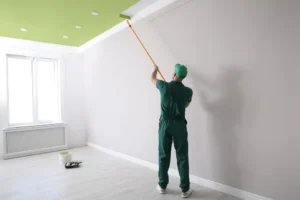
Does painting your house before you sell actually add value?
Short answer: it can, and the return is usually better than most other pre-sale jobs.
Here’s why. Paint is cheap compared to a kitchen reno, but it changes how the whole house looks and feels. A new kitchen costs tens of thousands. A fresh coat on the walls costs a fraction of that, and buyers notice it the second they walk in.
Real estate agents across Australia say much the same thing. Fresh, neutral paint is one of the most common bits of advice they hand out before a listing. It won’t magically add a set dollar figure to your price. Nobody can promise that, and be wary of anyone who does. What it does is help your home look well cared for, which tends to bring more people through the door and more confidence at the negotiating table.
Think of it like a first date. You don’t need a new wardrobe. But you probably shouldn’t turn up in the shirt with the stain on it.
What buyers see when paint is tired
- Scuffs and marks near light switches and doorways
- Yellowed ceilings (hello, old cigarette smoke or kitchen grease)
- Peeling paint on eaves, window frames and fascia
- Bold colours that only the previous owner loved
- Patchy touch-ups where you tried to fix a mark and made it worse
I’ve seen this one a lot. A buyer spots a few cracks and peeling bits on the outside and instantly wonders what else has been ignored. It’s unfair, but it’s real. Peeling paint can make people picture rot, damp and big bills, even when the house is perfectly sound.
How much does it cost to paint a house before selling?
Prices vary a lot depending on your city, the size of the home, how many coats it needs and how much prep work is involved. So treat the figures below as rough ballparks only, and always get a written quote.
| Job | Rough cost range (AUD) | Notes |
| Single room (walls only) | $400 – $1,000 | Cheaper for small rooms with little prep |
| Whole interior, 3-bedroom home | $4,000 – $9,000 | Includes walls, ceilings and trim |
| Exterior, single-storey home | $5,000 – $12,000 | Higher if there’s lots of prep or repair |
| Exterior, double-storey home | $9,000 – $20,000+ | Scaffolding or extra access can push it up |
| Front door, fence or gate only | $200 – $800 | Small job, big first impression |
| Touch-up and patching only | $300 – $1,200 | Good option for homes in decent shape |
These are general estimates only and not a quote. Your actual price depends on your property.
Where does the money go? Mostly labour and prep. The actual paint is often the smallest part of the bill. Good painters spend a big chunk of the job filling holes, sanding, patching and masking, because paint only looks as good as the surface under it.
That’s also why the cheapest quote isn’t always the cheapest job. A rushed coat over dirty or flaking walls can look worse within months, and a buyer’s building inspector will spot it.
Is it worth painting the whole house, or just parts of it?
You don’t have to do everything. In fact, sometimes you shouldn’t.
Here’s how I’d think about it.
Paint it if:
- The walls are marked, scuffed or dingy
- The colours are bold, dark or very personal (that deep purple feature wall had its moment)
- The outside is peeling, faded or stained
- You’re listing in a competitive market where similar homes look polished
- You’ve got pets, kids or smokers in the house and the walls show it
Skip it (or just touch up) if:
- The paint is fairly new and in good nick
- You’re selling a property that’s likely to be knocked down or renovated by the buyer
- The money would be better spent fixing something bigger, like water damage or a leaking roof
- The condition is fine and a clean plus a few patches will do
Be honest with yourself here. Walk through your home like a stranger would. Better yet, ask a friend who isn’t scared to be blunt. You know the one.
Interior or exterior: which should you paint first?
Both matter, but they do different jobs.
The outside sells the viewing. Most people see your place online first, then drive past. If the front looks daggy, some of them won’t bother coming in. Curb appeal is a real thing, and a fresh front door, tidy trim and clean eaves can lift the whole look.
The inside sells the house. Once buyers are through the door, they’re picturing their furniture, their lives and their Sunday mornings. Clean, light, neutral walls make that easy.
If your budget is tight, here’s a simple order of priority:
- Fix any peeling or flaking paint (inside and out)
- Repaint the main living areas and entry
- Freshen the front door, gate and trim
- Do the bedrooms and bathrooms
- Finish with the full exterior if the budget allows
| Area | Why it matters to buyers | Priority |
| Front door and entry | First impression, sets the tone | High |
| Living room and kitchen | Where buyers spend the most time looking | High |
| Exterior walls and trim | Online photos and street view | High if tired |
| Main bedroom | Buyers want a calm, clean space | Medium |
| Bathrooms and laundry | Marks and mould stand out here | Medium |
| Garage and sheds | Rarely a deal-breaker | Low |
What are the best paint colours when selling a house in Australia?
This is where people get excited and make mistakes. Pre-sale is not the time to express your inner interior designer.
The goal is simple: make the home feel bright, clean and roomy, so the widest range of buyers can picture themselves living there.
Safe bets for walls
- Warm whites and soft creams – light, clean and friendly, and they work with most furniture
- Light greys and greige – a blend of grey and beige that still feels modern
- Soft neutrals – easy on the eye and good at bouncing light around
Good picks for the outside
- Soft whites, light greys and charcoals for a modern, clean look
- Earthy tones that suit the street – you don’t want the only lime-green house on the block
- A tidy, dark front door can add a bit of personality without scaring anyone off
A quick tip. Australian light is strong and sharp, so colours that look soft on a sample card can feel much brighter on a sunny wall. Test a patch in the actual room, at different times of day, before committing. I once watched a lovely “pale grey” turn faintly blue in the afternoon sun. The owner was not thrilled.
Also, think about the style of the home. A federation cottage and a new-build townhouse don’t want the same palette. Matching the era and character of the house tends to look more natural and more expensive.
How long does it take, and when should you start?
Don’t leave it to the last week. Painting looks quick until it isn’t.
A typical interior job can take anywhere from a few days to a couple of weeks, depending on the size of the house and how much prep is needed. Exteriors depend heavily on the weather. In wetter parts of the country, you can lose days to rain, and paint doesn’t love damp surfaces.
A rough timeline that works for most sellers:
- 6–8 weeks before listing: Get quotes and choose your painter and colours
- 4–6 weeks before listing: Do the prep and painting
- 2–3 weeks before listing: Final touch-ups, cleaning and styling
- 1–2 weeks before listing: Photos and marketing
Book early. Good painters are often booked out, especially heading into spring and early summer, which is peak selling season in many parts of Australia.
Should you DIY or hire a professional painter?
I get it. Painting looks easy. You’ve seen the tutorials. You’ve got a free weekend and a roller in the garage.
And sure, for a single bedroom, DIY can be fine. But for a whole house, especially one you’re about to sell, here’s what often goes wrong:
- Roller marks and uneven coverage
- Messy cutting-in along edges and ceilings
- Not enough prep, so the old problems show through
- Taking three times longer than planned
- Weekends lost, patience gone
Buyers are quick to notice sloppy work, and so are building inspectors. A professional finish suggests the whole house has been looked after. A patchy DIY job can send the opposite message.
| DIY | Hire a pro | |
| Upfront cost | Lower | Higher |
| Time | Slow, eats weekends | Fast and scheduled |
| Finish quality | Varies a lot | Consistent and clean |
| Prep work | Often skipped or rushed | Part of the job |
| Stress level | Moderate to high | Low |
| Best for | Small touch-ups | Whole rooms, ceilings, exteriors |
If you’d like a middle ground, do the small bits yourself (clearing rooms, moving furniture, removing old nails) and let a painter handle the actual painting. That can trim the bill without hurting the finish.
Does paint help your house sell faster?
It often does, and it comes down to a few things.
Better photos. Online listings are your shop window. Clean, light walls photograph beautifully. Dull or patchy ones look worse on camera than in person.
Fewer objections. Every flaw is a reason for a buyer to knock the price down. Fix the paint, and you remove a handful of easy reasons to haggle.
More emotional pull. People fall for homes that feel calm, fresh and ready. Paint helps create that feeling.
That said, I’ll be straight with you: paint isn’t a magic wand. If the home is overpriced, in a tough spot or needs major repairs, a new coat won’t save the day. It’s one part of a bigger plan that includes pricing, presentation and good marketing. Your agent can tell you how much paint matters in your particular street and price range.
Common mistakes to avoid when painting before a sale
I’ve seen a few of these over and over.
- Painting over problems. Mould, water stains and peeling paint need to be dealt with first. Painting over them just hides the issue for a few weeks.
- Choosing trendy colours. What’s hot this year may look dated next year. Neutral wins.
- Using cheap paint. Low-quality paint can need extra coats and look flat or patchy.
- Forgetting the ceilings and trim. Fresh walls next to yellowed ceilings look odd.
- Painting too close to the listing date. Fumes, wet paint and touch-ups don’t mix well with open homes.
- Skipping the clean-up. A freshly painted home that isn’t cleaned still feels unfinished.
A quick checklist before you decide
Ask yourself:
- [ ] Are the walls marked, faded or in dated colours?
- [ ] Is the exterior peeling, stained or chalky?
- [ ] Would neutral paint help the home photograph better?
- [ ] Is the cost likely to be smaller than the price I’d lose from a weaker first impression?
- [ ] Have I asked my agent what buyers in my area expect?
If you ticked two or three of these, painting probably earns its place on your to-do list.
So, is it worth it?
For most Australian sellers, painting your house before you sell is one of the smartest, lowest-risk ways to lift your home’s appeal. It’s affordable compared to bigger renovations, it makes a visible difference, and it helps buyers see a home they can move straight into without a long to-do list.
Is it a guarantee of a higher price? No. Is it a solid way to put your best foot forward? Absolutely.
The trick is to be smart about it. Fix what’s broken, keep the colours neutral, focus on the areas buyers see first, and hire someone who does the prep properly. That way, your money goes into a finish that lasts through inspections, open homes and the final handshake.
Ready to give your home a fresh start?
At JT Painting & Decorating, we help sellers get their homes looking sharp without the stress or the guesswork. Whether it’s a few rooms, a front-door refresh or a full interior and exterior repaint, we’ll give you honest advice on what’s worth doing and what isn’t.
Get in touch with JT Painting & Decorating today for a free, no-obligation quote and let’s get your home ready to impress.
Insert image: a smiling JT Painting & Decorating team member in front of a freshly painted home exterior.
FAQs
Is it worth painting before selling a house? Usually, yes, especially if the paint is tired, marked or very bold in colour. If it’s already fresh and neutral, a touch-up may be all you need.
How much does it cost to paint a house to sell it? It depends on size, condition and location. Interiors for an average home often run from a few thousand dollars, and exteriors can cost more. Always get a written quote.
What colour should I paint my house to sell it? Warm whites, soft greys and light neutrals are the safest choices for most buyers.
Should I paint the inside or the outside first? Start with whichever looks worse. If both are fine, focus on the entry and living areas inside, plus the front door and trim outside.
Do buyers care about paint? Yes. Paint affects first impressions, listing photos and how well-maintained a home feels.
How long before selling should I paint? Aim to finish at least two to three weeks before photos and open homes.